

Home > Industrial News
Sourcing from China to Africa
A Strategic Trade Bridge for Growth
Overview of the Trade Relationship
The sourcing industry between China and Africa has become one of the fastest-growing global trade corridors. China serves as a global manufacturing powerhouse, offering cost-effective production across industries such as construction materials, machinery, consumer goods, and electronics.
African economies, driven by urbanization and infrastructure expansion, depend heavily on imported goods to meet rising demand. This complementary dynamic has made sourcing from China a critical strategy for businesses, governments, and procurement agencies across the continent.

How the Sourcing Industry Works


The sourcing process typically follows a structured pipeline:
1. Supplier Identification
Reliable manufacturers are selected based on capacity, certifications, and pricing.
2. Negotiation & Procurement
Terms, product specifications, and contracts are finalized.
3. Quality Control
Pre-shipment inspections ensure compliance with standards.
4. Logistics & Shipping
Sea freight is the dominant mode due to cost efficiency.
5. Customs & Distribution
Goods are cleared and delivered to final destinations in Africa.
Sourcing agents often play a key role in managing communication, quality assurance, and supplier relationships.
Growth Drivers

Several major forces continue to drive this industry:
-
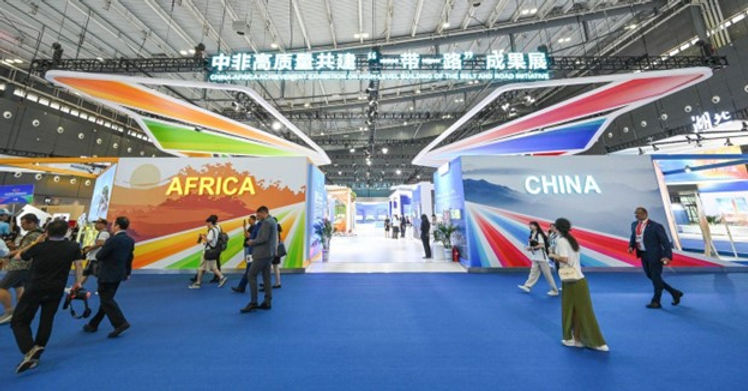
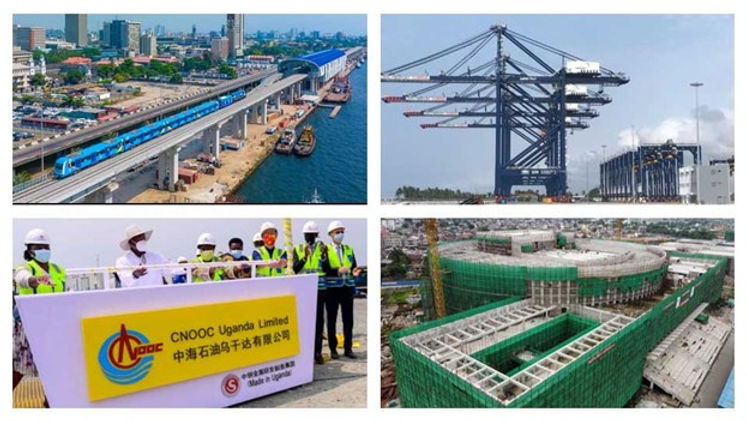
Infrastructure Expansion – Large-scale construction projects increase demand for imported materials and equipment
-
Favorable Trade Policies – Reduced tariffs and bilateral agreements support trade growth
-
Rising Investment – Chinese financing and partnerships accelerate industrial development
-
Urbanization – Expanding cities increase demand for affordable goods and housing materials
Over the past decades, trade has evolved from raw material exchange to a more diversified and industrial partnership.
Challenges in Sourcing



Despite strong growth, several challenges persist:
-
Quality Variability – Differences in manufacturing standards
-
Logistics Delays – Port congestion and global shipping disruptions
-
Currency Risks – Exchange rate volatility affecting costs
-
Regulatory Barriers – Import duties, standards, and compliance requirements
-
Supplier Dependence – Over-reliance on a single sourcing market
Mitigating these risks requires strong supplier vetting and local expertise.
Future Outlook

The future of sourcing from China to Africa is expected to remain robust, with several emerging trends:
-
Digital Sourcing Platforms enabling faster procurement
-
Localized Manufacturing in Africa supported by Chinese investment
-
Improved Logistics Infrastructure including ports and rail networks
-
Stronger Trade Partnerships focused on value-added production
This shift will move the relationship beyond simple trade into deeper industrial collaboration.
Conclusion
Sourcing from China to Africa is no longer just a cost-saving strategy—it is a cornerstone of economic development and industrial growth. Businesses that adopt structured sourcing strategies, quality control systems, and reliable logistics partnerships will be best positioned to benefit from this expanding trade corridor.